


Schengen Visa Assistance for South Africans
Correct as at 10 August 2026, verified against official sources.
- South African passport holders need a short-stay Schengen visa, known as a C visa, before travelling to any of the 29 Schengen countries. There is no visa on arrival and no visa-free route.
- One visa covers the whole border-free Schengen area, for stays of up to 90 days in any 180-day period.
- You apply through the country of your main destination, using that country’s official visa partner in South Africa.
- The published processing standard is 15 calendar days, extendable to 45 days in some cases, and you can apply up to 6 months before travel.
- The consulate application fee and our facilitation fee make up the cost. We confirm current fees and your full quote when you enquire.
South African passport holders need a Schengen visa to visit Europe’s border-free area. That covers France, Italy, Germany, Spain, the Netherlands, Portugal, Greece and 22 other countries on a single visa. You apply before you travel, through the consulate of the country where you will spend the most time, and you attend a biometric appointment at that country’s official visa application centre in South Africa. The decision is made by the consulate, not by any agent.
That is the short answer. The rest of this page covers what actually matters. Which visa fits your trip, which country you apply through, what consulates look for, how the process works, why South African applications get refused, and what we do at every step.
Which Schengen visa do you need
The Schengen area is a group of 29 European countries that have removed border controls between themselves. Since 1 January 2025, when Bulgaria and Romania became full members, it spans 25 EU countries plus Iceland, Norway, Switzerland and Liechtenstein. Once you enter on a valid Schengen visa, you can move between member countries without further border checks.
Most South African travellers need the short-stay visa, called a C visa. It covers tourism, visiting family and friends, business meetings, conferences and short courses, for up to 90 days in any 180-day period. A single-entry visa allows one entry into the area. A multiple-entry visa allows repeated visits while it is valid, and consulates can issue longer multiple-entry visas to travellers who build up a clean visa history. Longer stays, work and study fall under each country’s national visas, which follow different rules entirely.
Two boundaries catch people out. The United Kingdom and Ireland are not in the Schengen area, so a trip that combines London and Paris needs two separate visas. If the UK leg applies to you, our UK visa for South Africans page covers that side of the trip. Europe is also only one of the regions we handle; you can see the full list on our countries page.
Which country do you apply through
This is the question that confuses more applicants than any other, and getting it wrong can sink an application before it is read. You do not apply for a generic European visa. You apply to one specific country, under one clear rule.
If you are visiting a single country, you apply through that country’s consulate. If you are visiting several, you apply through the country of your main destination, meaning the one where you will spend the longest time or where the main purpose of your trip takes place. If your time is split equally, you apply through the first of those countries you will visit. A traveller spending five nights in Italy and two in France applies through Italy, even if the flight lands in Paris.
Applications in South Africa go through each country’s appointed visa partner, and the partner differs by country. The Netherlands works through VFS Global centres in Johannesburg, Pretoria, Cape Town and Durban. France works through Capago. Spain works through BLS International. Booking an appointment with the wrong partner, or applying through a country that is not genuinely your main destination, wastes weeks and can lead to the application being declared inadmissible or refused. Confirming the correct country and the correct centre is the first thing we settle when you enquire, and it is where our visa assistance service begins. Destination first, then purpose, then the route.
What consulates look for
Every short-stay visa decision comes down to two questions. Can you support yourself for the whole trip, and do you have real reasons to return to South Africa. Every document in your application exists to answer one of those two questions.
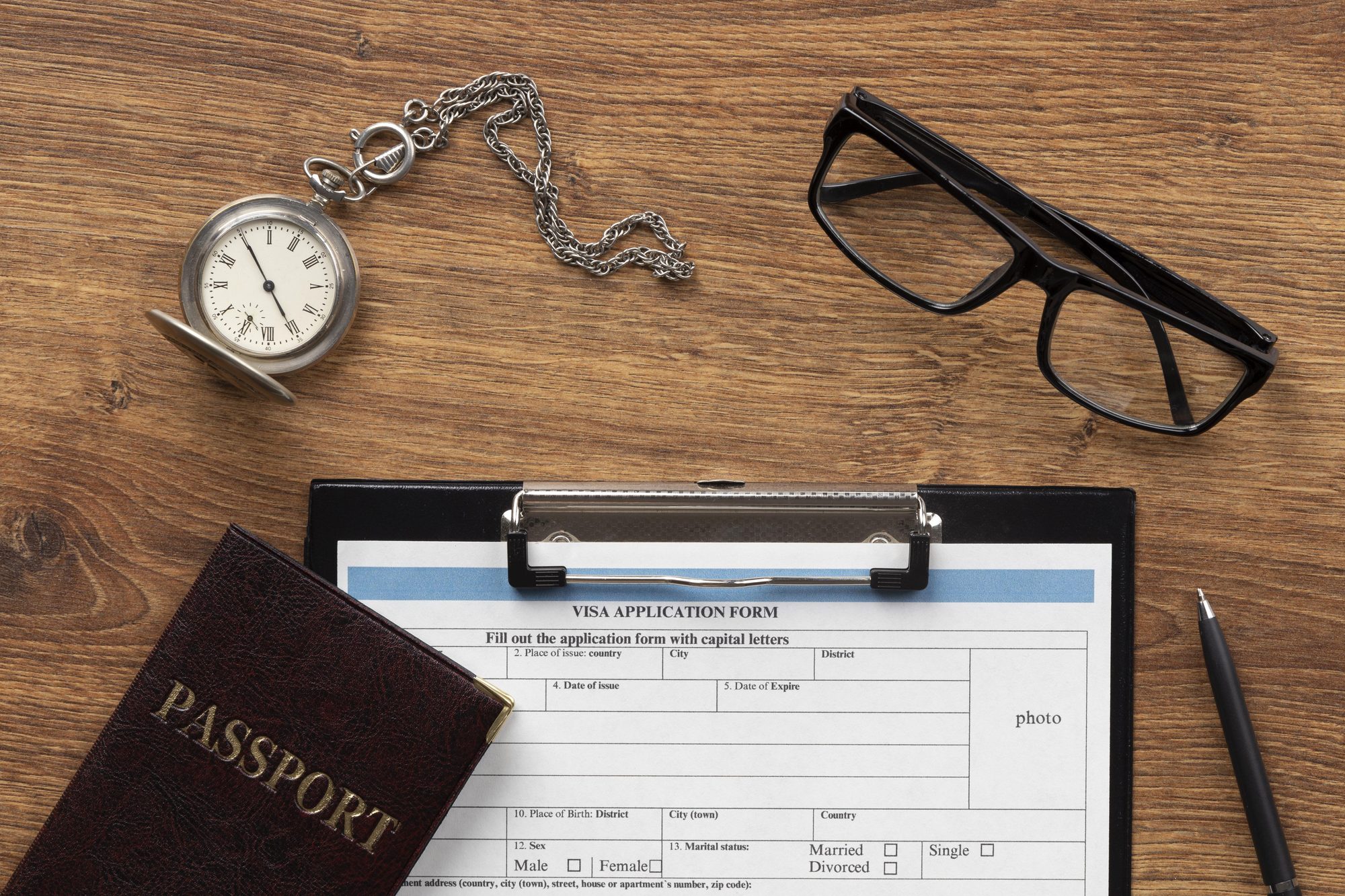
The evidence usually spans a handful of areas. Your identity and travel history. Your financial position. Your employment or business standing. Your accommodation and a coherent itinerary that matches the country you are applying through. Your ties to South Africa. And travel medical insurance, which is a formal requirement for effectively every Schengen application and must cover emergency treatment, hospitalisation and repatriation for your whole stay.
Exactly which documents you need, in what form, and what makes each one strong or weak is where applications are won and lost, and it depends entirely on your circumstances. A retired couple visiting a son in Amsterdam and a consultant attending a trade fair in Munich are proving different things. That is precisely the work we do with you. When you enquire, you get a document list built for your situation, not a generic template, and every item on it is checked before the consulate ever sees it.
What it costs
There are two costs in a Schengen visa application. The consulate application fee, paid when you apply, sometimes with a service charge from the visa centre. And our facilitation fee. The EU adjusts its visa fees from time to time and service charges differ between visa partners, so rather than quote figures that go stale, we confirm the current fees for your destination country and our full quote upfront when you enquire. One conversation, all the numbers, no surprises.
One thing about the application fee shapes everything we do. It is not refunded if the application is refused. The cost of getting an application wrong is not just the fee; it is the fee again on reapplication, the delay, and a refusal recorded in the Schengen visa system that the next application has to address.
The application process
- Complete the application form. Each Schengen country has its own official application system, and the form must be completed for the country of your main destination. Answers must match your documents exactly. Inconsistencies between the form and the evidence are a common thread in refusals.
- Book the appointment at the correct visa centre. This is the appointed partner for your destination country, in the city that serves your province.
- Attend the appointment and give biometrics. You submit your documents, and your fingerprints and photo are captured for the Visa Information System. Fingerprints stay valid in the system for 59 months, so if you applied for a Schengen visa within the past five years, they can usually be copied to the new application rather than taken again.
- The consulate decides. Your file goes from the visa centre to the consulate, which examines it and makes the decision. If the visa is granted, it is placed in your passport and you collect it or have it delivered. If the application is refused, you receive a notice with the grounds, which becomes the starting point for any new application.
We manage all of these steps with you. The route confirmed, the form completed together, documents checked before submission, the appointment booked at the right centre, and the application tracked to a decision.
How long it takes
Under the EU Visa Code, consulates decide applications within 15 calendar days of receiving an admissible file. That period can be extended up to 45 days when an application needs a more detailed examination or further documents. In practice, times move with demand. European summer, the December holidays and school breaks all push volumes up, and appointment slots at the visa centres often run out weeks ahead in peak season.
Our honest advice is simple. Apply early. You can apply up to 6 months before travel, and no later than 15 days before your trip. An application lodged two months out has room to absorb a slow fortnight at the consulate. An application lodged three weeks before a family wedding does not.

Why South African applications get refused
Refusals are rarely about who you are. They are almost always about what the file did or did not show. Four patterns come up again and again in Schengen refusals.
Weak financial evidence. Statements that do not show regular income. A balance that appeared a week before the application. No clear link between your declared income and what is in the account. The consulate is not judging how much you earn; it is checking whether the trip is affordable and the money is genuinely yours.
Unclear ties to South Africa. The application has to show a life you are coming back to. A job with approved leave, a business that needs you, property, family, studies. If the file is silent on this, the decision-maker is left to guess, and guessing does not favour the applicant.
An itinerary that does not hold together. Schengen applications add a layer the UK does not have. Your bookings, your route and the country you applied through must all tell the same story. Applying through one country while every reservation points to another is a refusal pattern of its own.
Insurance gaps. A policy that does not cover the whole stay, does not cover the whole area, or misses repatriation cover fails a formal requirement, however strong the rest of the file is.
None of this is complicated, but all of it is unforgiving. A refusal is recorded in the Visa Information System, which all Schengen consulates share, and must be answered truthfully whenever a future application asks about it. It is far cheaper, in money and in time, to submit one strong application than to fix a weak one afterwards.
How Prestige Solutions handles your application
We are a facilitation service. We prepare applications; the consulate decides them. Within that boundary, here is what we take off your plate.
Prepare. We start with your itinerary and personal circumstances, confirm which country you must apply through, then build the document list that fits your situation. You know exactly what to gather and why each item is there.
Check. Before anything is submitted, we review every document against the requirements and against each other. Dates, amounts, names, bookings, insurance cover. If something is weak or contradictory, we tell you before the consulate sees it, while it can still be fixed.
Lodge. We complete the application with you, prepare the file in the format the visa centre expects, and book your appointment at the correct centre for your destination country.
Track. After biometrics, we monitor the application and keep you informed until the decision arrives and your passport is back in your hands. You are never left wondering where things stand.
Is a Schengen visa guaranteed if I use your service
No, and you should be wary of anyone who says otherwise. No agent, consultant or lawyer can guarantee a Schengen visa. The decision rests entirely with the consulate of the country you apply through, and any service claiming a guaranteed outcome is selling something it does not control.
What we commit to is everything on our side of the line. The correct country and centre from the start. A complete, consistent application submitted right the first time. Documents and insurance checked before they are lodged. Realistic guidance on timing. Clear communication from enquiry to decision. Incomplete, inconsistent or poorly evidenced applications can be refused even when the applicant believes they qualify. Our job is to remove those avoidable weaknesses.
What our fee covers that cheaper options do not
You can apply on your own, and some people should. If your trip is simple, your paperwork is tidy and you have time to work through the forms and the appointment system, the DIY route exists for you.
Where we earn our fee is everywhere the DIY route gets expensive. Confirming the main-destination country before the fee is paid, so the application is not inadmissible from the start. Document checking before submission, so problems are caught while they cost nothing. An itinerary and insurance reviewed against the formal requirements, not assumed to be fine. Appointment logistics handled at the right centre. Tracking, so you always know where the application stands. A cheaper provider that skips the checking step is not really cheaper; the price of the missed error just arrives later, as a refusal recorded against your name.
Frequently asked questions
Can I visit several countries on one Schengen visa?
Yes. One valid Schengen visa covers all 29 member countries, within your 90 days in any 180-day period. What matters is that you apply through the country of your main destination, not that you stay in one place.
Which country’s rules apply to my application?
The core rules come from the EU Visa Code, which all member countries share. The practical details, meaning the visa partner, the appointment system and how documents are presented, are set by the country you apply through. That is why confirming the right country comes first.
Do I need travel insurance for a Schengen visa?
Yes. Travel medical insurance is a formal requirement, not an optional extra. It must cover emergency medical care, hospitalisation and repatriation, across the whole Schengen area, for your entire stay. We check the policy meets the requirement before your file is lodged.
How early should I apply?
The earliest you can apply is 6 months before travel and the latest is 15 days before, but the real constraint is appointment availability. In peak season, slots at the visa centres run out weeks in advance. We suggest starting at least two months before your trip.
Is there a Schengen visa on arrival for South Africans?
No. There is no visa on arrival and no online-only route for South African passport holders. The EU’s ETIAS travel authorisation, when it launches, applies only to nationals who do not need a visa, so it will not replace the Schengen visa for South Africans.
What happens at the border now that passports are no longer stamped?
Since 10 April 2026 the EU’s Entry/Exit System records your entry and exit electronically. On your first arrival with a new visa, your facial image is captured at the border and your crossing is logged against your passport; stamps are no longer used. It is a registration step, not a second visa check, but allow a few extra minutes on first entry.
Do I need to give fingerprints every time I apply?
Not always. Fingerprints are stored in the Visa Information System for 59 months. If yours were captured for a Schengen application within that window, they can usually be reused, although the consulate can ask for new ones if there is any doubt.
Start your Schengen visa application
If a European trip is on your calendar, the best time to start the visa is now, while there is room to do it properly. Send Prestige Solutions an enquiry through the website, message us on WhatsApp at +27 67 814 9534, or call us on +27 11 568 0827. We will talk through your itinerary, confirm which country you apply through, and give you a clear document list and a full quote covering the consulate fee and our service. No obligation, and no pressure. If the DIY route genuinely suits your case, we will tell you that too.
Sources
Key facts verified 5 August 2026 against official sources.
- Applying for a Schengen visa, European Commission: home-affairs.ec.europa.eu
- The Schengen area, European Commission: home-affairs.ec.europa.eu
- Bulgaria and Romania join the Schengen area, European Commission: home-affairs.ec.europa.eu
- Applying for a Schengen visa for the Netherlands in South Africa: netherlandsworldwide.nl
- Schengen visas, Consulate General of Spain in Cape Town: exteriores.gob.es
- Capago South Africa, official visa application partner for France: fr-za.capago.eu