


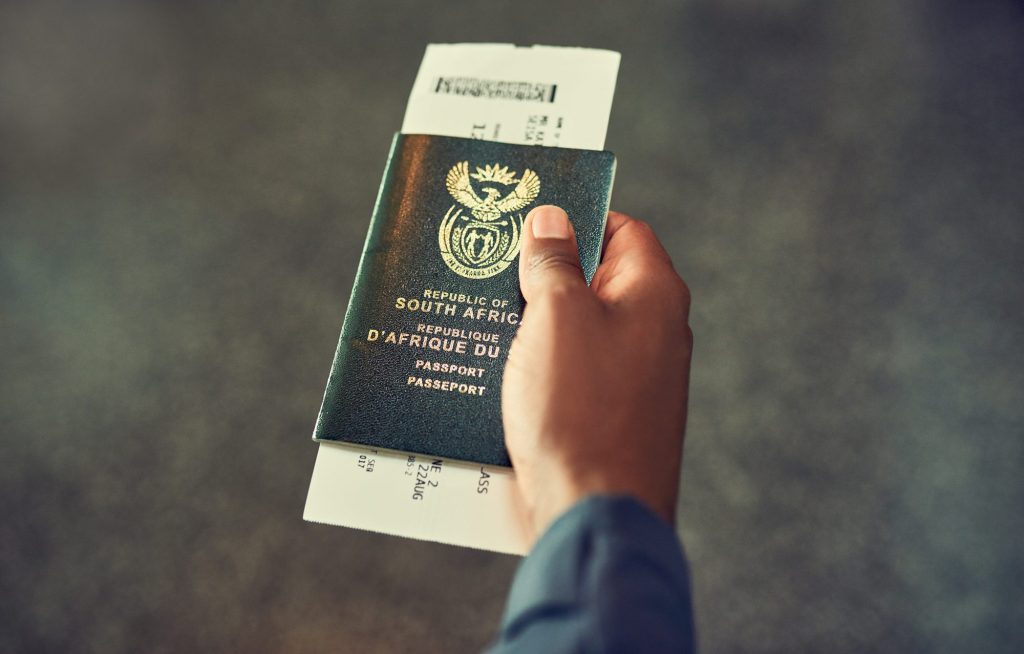

DIRCO legalisation, Hague apostilles, and embassy certification for degrees, marriage certificates, police clearances and more. Handled correctly, so your documents aren’t rejected on a technicality.

✓Identifying whether your destination requires DIRCO legalisation, an apostille, or both
✓Preparing and checking documents before submission to avoid rejection
✓DIRCO legalisation for degrees, police clearances, marriage and birth certificates
✓Hague Apostille processing for Hague Convention member countries
✓Embassy or consular certification where a destination requires it in addition
✓Coordinating certified translations where your destination requires them
✓Managing submission and collection so you don’t need to queue in person
✓Secure courier delivery, including to addresses outside South Africa
Pick your document and we will take it from there, or browse the process below.
“A document is only as useful as the authority that accepts it. We make sure yours is recognised abroad.”
Where is the document going?
Not sure which applies to your destination? Ask us →
Requirements depend on the document and your destination, and we’ll confirm the exact list with you. In general, we’ll need the following:
If a South African document has to be accepted by an authority in another country, it almost always needs legalising first. These are the situations we handle most.
An apostille is a simplified certification used between countries that are members of the Hague Convention. DIRCO legalisation is required for countries outside that convention and typically involves an extra layer of certification. We confirm which one your destination needs before you pay for anything.
Often, yes, particularly for foreign work permits and emigration. We coordinate this directly with our Police Clearance Certificate service so both processes run together instead of you starting from scratch twice.
Yes. We regularly manage this for South Africans and document holders based abroad, working from certified copies or originals sent to us and delivering the legalised document back to you internationally.
The legalisation itself doesn’t expire, but some receiving authorities (particularly for police clearances) require the underlying document to have been issued within a certain window, often 3 to 6 months. We’ll flag this if it applies to your case.
This is rare when the correct process is followed from the start, which is exactly why we confirm requirements before submission. If an issue arises, we’ll work with you to identify the cause and the correct next step.
Tell us the document and the destination, and we’ll confirm exactly what’s required.
Copyright © DiginamiX | Prestige. All rights reserved.
Quick enquiry
Leave your name and number and a consultant will call you back as soon as possible.
Your details are used only to respond to this enquiry. Nothing else.
Prefer to talk now? Call +27 68 222 3776 or message us on WhatsApp.